

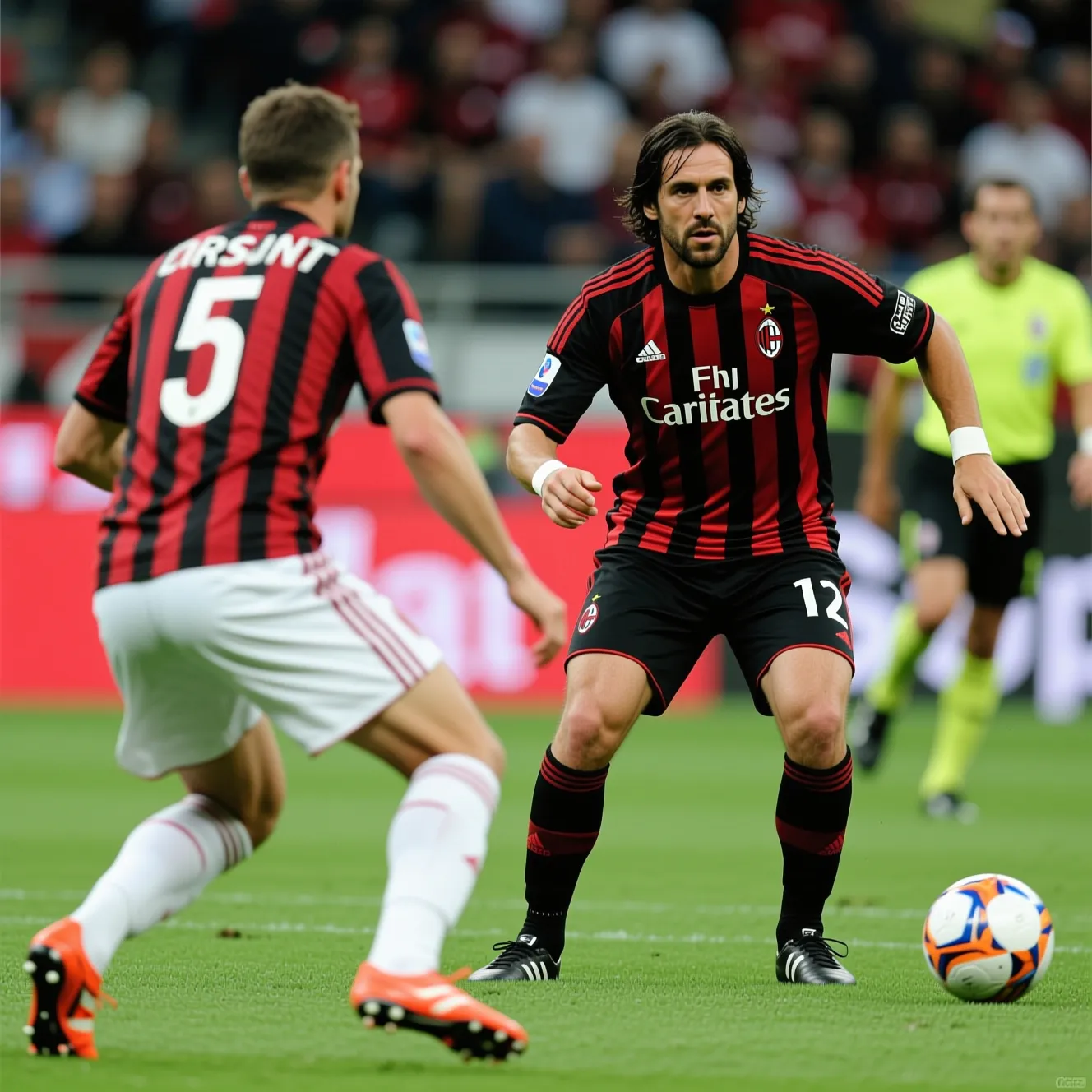
Paolo Maldini is considered the defensive standard because he combined elite positioning, anticipation and clean tackling with two-footed technique, tactical versatility and decades of consistency at AC Milan. His game shows how a defender can dominate mainly by reading play, controlling space and leading a back line, not just by physical duels or last-ditch tackles.
Defining Conclusions: Maldini as the Defensive Benchmark
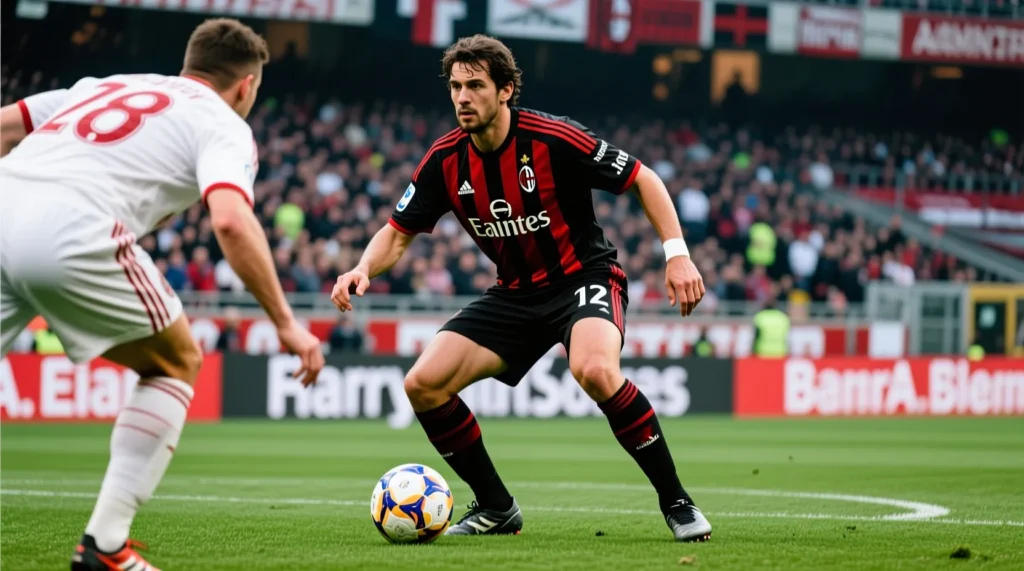
- Maldini proves that intelligent positioning and timing can replace constant sliding tackles and reckless duels.
- His long AC Milan career set a template for defensive consistency, adaptability and professionalism.
- He excelled both as left-back and centre-back, giving coaches rare tactical flexibility.
- His calm, clean defending became a reference for coaching manuals and scouting checklists.
- Compared with other legends, his peak quality plus extraordinary longevity keep him in the top tier of all eras.
- Modern analysis shows his true value lay in prevention: stopping danger before it became a duel.
Myths vs Evidence: What People Get Wrong About Maldini
A frequent myth is that Paolo Maldini was mainly a hard-tackling, old-school stopper whose aura is driven by nostalgia. Evidence from match footage and tactical analysis shows the opposite: he relied more on anticipation, angles and body orientation than on aggressive challenges.
Another common cliché is that he only thrived in a slow, defensive era and would struggle in today's high tempo and pressing game. In reality, his first touch, passing range and ability to defend large spaces in transition translate well into modern systems. The best AC Milan defenders of all time Maldini is compared with, like Baresi or Nesta, show different strengths, but none combined wide defensive responsibilities and build-up duties as seamlessly for as long.
There is also the romantic idea that his surname and the San Siro context did half the work. While the Maldini legacy and the iconic paolo maldini jersey ac milan made him a symbolic figure, his status comes from repeatable actions on the pitch: consistent decision-making in 1v1s, correct timing of pressure, and leadership in shifting the defensive block. This is why serious coaching courses still treat him as a technical-tactical example, not just a club legend.
Tactical Profile: Reading the Game and Positional Mastery
- Scanning and pre-orientation. Maldini constantly checked shoulders, striker positions and midfield lines before the ball arrived. This allowed him to anticipate through balls and cut passing lanes instead of reacting late and sliding.
- Managing the defensive line. As part of AC Milan's back four, he coordinated stepping up, compacting space between lines and synchronising offside traps. His subtle hand signals and body cues helped keep the unit connected horizontally and vertically.
- Control of wide channels. As a left-back, he defended the outside channel by guiding wingers toward less dangerous zones, using his body shape to block inside cuts while still being able to sprint if they pushed the ball down the line.
- 1v1 isolation choices. Maldini decided when to engage tightly and when to delay. Against fast dribblers he often chose to contain and wait for cover, forcing play backward instead of going to ground and risking a foul.
- Transition defence. After turnovers he quickly assessed whether to press the ball, drop off or foul tactically. His first few steps were usually backward and diagonally toward goal, buying time for teammates to recover into shape.
- Role-switching in-game. He could move from full-back to centre-back within the same match if a partner was injured or if the opposition striker profile changed. That versatility underpins why he is still used as a reference point in scouting reports.
Technical Arsenal: First Touch, Passing Range and Clean Defending
Build-up from the back under pressure. Maldini's first touch allowed him to receive with his back to play, open his body, and play vertical passes through midfield pressure. In modern terms, he functioned like an extra deep playmaker when Milan built through the left side.
Diagonal switches of play. From the defensive line, he frequently hit long diagonals to the opposite flank, breaking pressing traps. This feature is often highlighted in any serious paolo maldini biography book because it shows his impact on Milan's attacking structure, not just their defending.
Clean tackling technique. When he tackled, his timing and angle reduced the risk of fouls. He entered with the leading leg targeting the ball, the trailing leg ready to support if the opponent tried to roll him. This is why young defenders are told to study his clips instead of focusing on highlight-reel slide tackles.
Heading and aerial duels. Though not the tallest centre-back of his era, his timing, leap and use of arms in aerial duels helped him win key headers without excessive fouling. He focused on directing headers into safe zones, often toward touchline or midfielders with a good first touch.
Two-footed clearances and ball recovery. Comfortable with both feet, he could clear under pressure without slicing the ball into central dangerous zones. That detail, often unnoticed, is exactly what turns a solid defender into a low-error, elite one over hundreds of matches.
Leadership, Consistency and Career Longevity at AC Milan
His aura came not only from technique and tactics but also from role modelling, training standards and game-to-game reliability. Longevity raised his profile from "great player" to reference standard: modern analysts measure defenders' careers against Maldini's blend of peak level and duration.
Positive dimensions of Maldini's AC Milan legacy
- Embodied professional standards: training intensity, diet, recovery and constant self-improvement across multiple tactical eras.
- Provided on-field leadership without theatrical behaviour, directing teammates with concise communication and positioning cues.
- Showed adaptability: remained first-choice while AC Milan's coaches, systems and key teammates changed around him.
- Created cultural impact: today fans buy paolo maldini signed memorabilia and retro shirts not only for nostalgia but as symbols of defensive excellence.
- Influenced stadium culture: sectors like the so-called Maldini stand, where many try to get ac milan tickets san siro maldini stand side, reflect how supporters associate his name with the club's most solid years.
Structural limits and contextual caveats
- Benefited from elite teammates and stable club structure, which many modern defenders in weaker leagues or chaotic clubs do not enjoy.
- Played most of his career in systems that prioritised compactness and defensive organisation, not the ultra-high defensive lines some teams use today.
- Rarely experienced the extreme fixture congestion and global travel demands of current top clubs, which slightly affects direct fitness comparisons.
- Video data and analytics from his early years are limited, so some modern metrics (pressing events, high-line recoveries) are hard to apply retroactively.
Maldini's Influence on Coaching, Scouting and Youth Defenders
Coaches and scouts still use Maldini as a reference template when evaluating or educating defenders, but this can create both good practices and persistent myths. Understanding these patterns helps avoid lazy comparisons and build more objective assessment models.
- Myth: "A modern Maldini must be a lifelong one-club player." In reality, career loyalty is a cultural factor, not a defensive skill. When academies or agents push players to imitate his club path, they ignore that modern development may require earlier moves to playing time.
- Myth: "Calm body language always means Maldini-level composure." Many young defenders copy his relaxed posture but lack his scanning and decision speed. Coaches should check whether composure is backed by correct angles, timing and communication, not just aesthetics.
- Error: Overrating flashy aggression, underrating preventative positioning. Some scouts still prefer defenders who make spectacular tackles. Maldini's style teaches the opposite: good defenders make problems look small and boring by arriving early and guiding play away from danger.
- Error: Ignoring technical build-up under pressure. When clubs search for "another Maldini", they sometimes focus only on duels and aerials. His true profile included high-level passing and first touch, which should be explicit criteria in scouting templates.
- Healthy practice: Using him as a film-study model. Youth coaches break down clips of his 1v1 defending, pressing triggers and line coordination as part of training. This keeps the legend rooted in learnable habits, not mystical talent.
Comparative Appraisal: Maldini Next to All-Time Defensive Greats
Comparing Maldini to other legends like Baresi, Beckenbauer, Nesta or modern greats such as Ramos and Van Dijk helps clarify where his standard lies. Rather than proving who is absolutely "best", this comparison shows his unique combination of roles and career duration.
| Defender | Primary role | Key strength | How Maldini standard relates |
|---|---|---|---|
| Franco Baresi | Sweeper/central defender | Offside trap leadership, reading of play | Maldini matches the reading of play while adding wide defending and longer playing career. |
| Franz Beckenbauer | Libero | Playmaking from deep, carrying the ball | Beckenbauer was more attacking; Maldini is the benchmark for balance between defence and build-up. |
| Alessandro Nesta | Central defender | 1v1 elegance, timing in tackles | Maldini offers similar elegance plus elite full-back play and superior longevity. |
| Sergio Ramos | Central/right defender | Goal threat, big-game interventions | Ramos scores more, but Maldini concedes less through safer decision-making and fewer errors. |
| Virgil van Dijk | Central defender | Physical dominance, aerial control | Van Dijk may match Maldini's peak; the question is whether he can sustain it for similar duration. |
Practical mini-algorithm: checking if a defender meets the "Maldini standard"
Coaches and analysts can use a short repeatable process to evaluate defenders against Maldini-inspired criteria. It is not about copying his exact style, but about checking for the same underlying qualities that made him a global reference.
- Game reading test. Analyse 3-5 full matches, not highlights. Count how often the defender prevents dangerous passes or dribbles through positioning, compared with how often they rely on last-ditch tackles.
- 1v1 decision quality. For every isolated duel, rate: did they choose the right distance, speed and body angle? Focus on how often they force play away from goal instead of diving in.
- Build-up under pressure. Clip all touches when pressed by at least one opponent. Check first touch direction, pass selection and mistakes. A Maldini-level reference rarely clears blindly when a controlled pass is possible.
- Role versatility sample. If possible, watch games in at least two roles (e.g., left-back and centre-back). Assess whether performance remains stable when responsibilities change, as Maldini's did.
- Consistency over time. Review performances across an entire season. True standards are built over years, the way collectors value a paolo maldini signed memorabilia piece because it represents a long, elite career rather than a single great match.
If a defender rates highly across these steps, you can reasonably argue they approach the Maldini benchmark in a modern context, even if stylistic details differ. This structured algorithm gives coaches, scouts and analysts an objective framework beyond simple hero worship.
Lingering Questions and Precise Clarifications
Why is Maldini so often called the standard for defenders?
Because he combined elite tactical intelligence, technical security, versatility and leadership over an extremely long period at the highest level. When coaches or fans discuss the best AC Milan defenders of all time Maldini is almost always the default comparison point.
Does being a "Maldini-type" defender require playing for one club only?
No. His one-club status is part of his story, not part of the defensive standard. The real reference is his reading of the game, reliability and ability to adapt to different tactics while remaining elite.
How can studying Maldini help youth defenders today?
By focusing on his body orientation, anticipation and decision-making in 1v1s, not only on his famous tackles. Coaches often use match clips and even materials similar to a paolo maldini biography book to illustrate how intelligent defenders control space.
Is it realistic to expect modern defenders to match Maldini's longevity?
It is difficult but not impossible. Modern schedules are more intense, yet advances in sports science help. The key takeaway is to treat professionalism and self-care as part of defensive skill, just as he did throughout his AC Milan career.
What should I look for in a "Maldini-style" jersey or memorabilia?
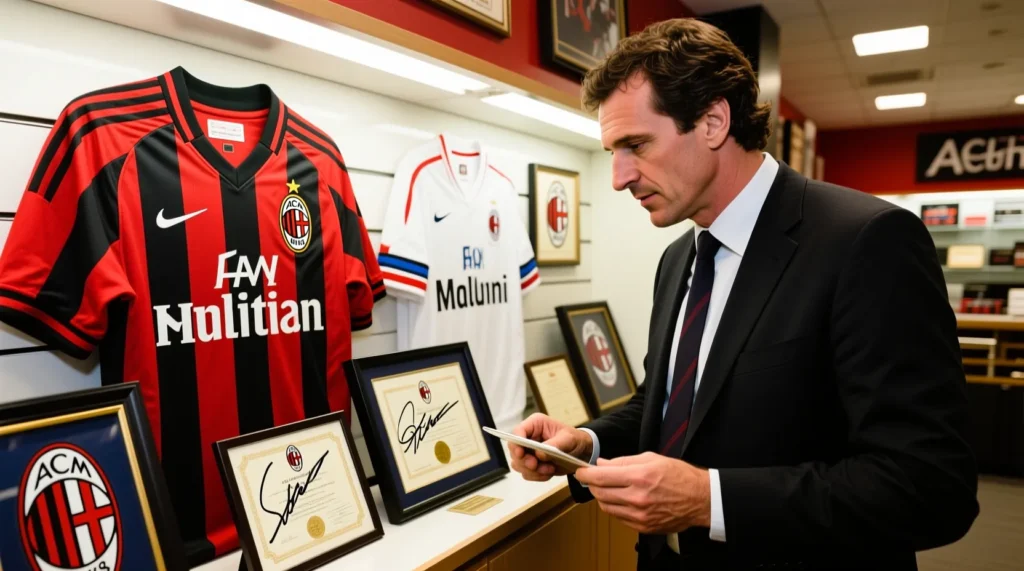
Check authenticity, era-specific details and provenance, especially when buying a paolo maldini jersey ac milan retro edition or paolo maldini signed memorabilia. Reputable sellers provide clear photos, certificates and, ideally, traceable history of the item.
Are tackles really a bad metric when comparing Maldini to others?
Tackles are not bad, just incomplete. Maldini's value came from preventing situations where tackles were necessary. High tackle numbers can actually suggest poor positioning, so you must combine duel stats with positional and video analysis.
Can fans still experience Maldini's legacy live at San Siro?
Yes, mainly through the club's culture, museum and stadium atmosphere. When people search for ac milan tickets san siro maldini stand or similar sectors, they are often trying to connect with the areas associated with his iconic performances and banners.

