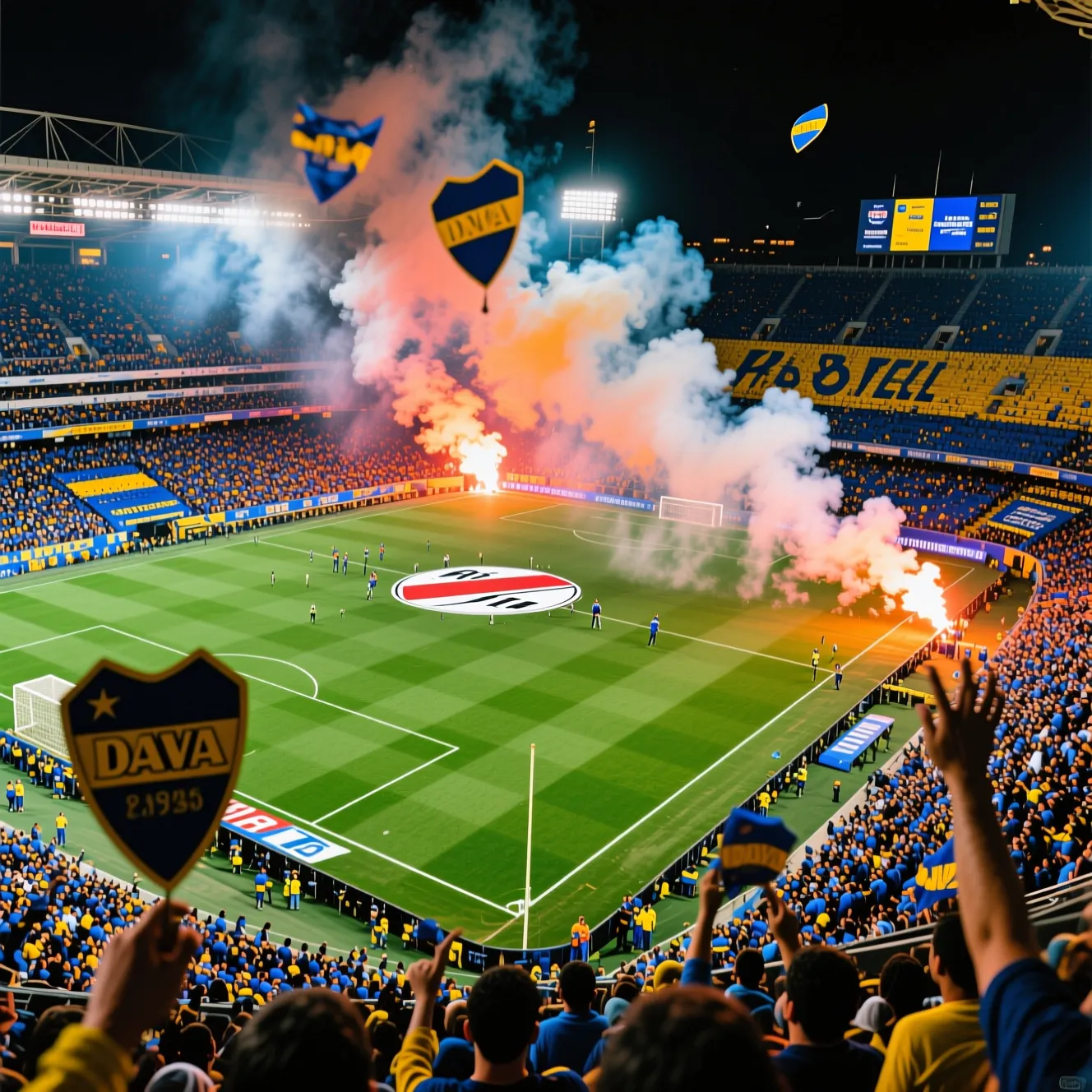
The Superclásico is the football rivalry between Boca Juniors and River Plate, two dominant Buenos Aires clubs whose clashes mix history, social identity and intense atmospheres. It is world-known because every match feels decisive, affects national mood, attracts global media, and offers a uniquely noisy, colorful and risky stadium experience hard to reproduce elsewhere.
Why the Superclásico commands global attention
- It concentrates more than a century of Buenos Aires history, migration and class tensions into a single 90‑minute event.
- The contrast between Boca's La Bombonera and River's Monumental creates two very different but equally iconic matchday experiences.
- Decisive games, especially the 2018 Copa Libertadores final, made Superclásico a truly global media product.
- The rivalry shapes how both clubs recruit, play, spend money and communicate with fans at home and abroad.
- For visitors, it is a practical gateway into Argentine culture via tickets, stadium tours, jerseys and local fan rituals.
Historical roots: how Boca Juniors and River Plate first split Buenos Aires
The Superclásico began as a local neighborhood conflict in La Boca, a port district of Buenos Aires with strong immigrant roots. Both Boca Juniors and River Plate were founded there, close to the docks, factories and simple housing that defined the area in the early twentieth century.
River Plate moved away first, relocating to the more spacious and wealthier Núñez area in the north of the city. This geographical move became the starting point of a symbolic split: Boca stayed in La Boca and framed itself as the club of the barrio, while River embraced a more modern, expansive identity based in the Monumental stadium.
As professionalism grew, both clubs accumulated titles, star players and large fan bases across Argentina. Their matches quickly turned into more than league fixtures: they were seen as small referendums on which part of Buenos Aires, and which way of life, would dominate the national football story.
Over time, this rivalry defined what it means to follow football in Argentina. Other derbies exist, but Boca-River became "the" game, scheduled carefully, surrounded by special security measures, and followed far beyond the country through television, radio and now global streaming services.
Social identity and symbolism: class, neighborhood and migration in the rivalry
To understand why Boca-River is called the Superclásico, you need the social "code" behind the match. The labels are simplified, but they structure chants, jokes, media narratives and even how neutral fans choose a side.
- Boca as the voice of the barrio. Boca is often associated with working-class neighborhoods, dock workers and migrant families, especially Italian immigrants who historically lived in La Boca. Fans emphasize loyalty, sacrifice and passion over comfort.
- River as the club of status and order. River's move to Núñez and its larger Monumental stadium helped link the club with middle‑class respectability, institutional power and a more "organized" model of success built around youth academies and infrastructure.
- Language of "pueblo" vs "elite". In media and fan slang, Boca presents itself as near to "el pueblo" (the people), while rival fans tease River as closer to elites. This framing shows up in songs, banners and social media debates.
- Migration inside Argentina. Internal migration from provinces to Buenos Aires helped both clubs expand. New arrivals often chose Boca as a symbol of struggle and mobility, or River as a symbol of education and structured progress.
- Family traditions and inheritance. Support for Boca or River is frequently inherited: children receive the shirt of one club, family groups travel together, and holidays are planned around big matches, reinforcing identity with each generation.
- Media narratives and stereotypes. Television and newspapers regularly repeat the same social stereotypes around the Superclásico. Even when these are exaggerated or outdated, they keep the rivalry emotionally loaded and easy to understand for neutrals.
Everyday scenarios where this social "code" becomes practical
In practice, these identities shape many concrete decisions:
- A tourist choosing between Buenos Aires football superclasico stadium tours may pick La Bombonera to feel closer to the "barrio" story, or the Monumental to see the national team's home and a more modern structure.
- Parents buying Boca vs River Plate jerseys for sale for their children often use the club image they prefer: Boca shirts as a symbol of street passion, River shirts as a symbol of academy football and structured training.
- When friends argue about which Argentine player is "truly" great, they often reference whether he excelled in this rivalry, using Boca or River identity as part of the evaluation.
Turning points: decisive matches and incidents that hardened the feud
Several specific Superclásico games and episodes turned a strong derby into the world‑famous Superclásico, each adding a layer of memory and resentment for both sides:
- Title‑deciding league matches. In multiple seasons, Boca-River games helped decide the domestic championship. When one club beats the other on the way to lifting a trophy, fans remember not just the title but the humiliation of the rival. Such matches define generations of supporters.
- Historic cup knockouts. Superclásico clashes in continental competitions, especially Copa Libertadores ties, intensified the rivalry. Two‑legged playoff formats mean one mistake can change the story, and losing to your rival in a knockout feels heavier than losing in a normal league round.
- The 2018 Copa Libertadores final in Madrid. The decision to move the second leg of the 2018 final to Madrid turned a domestic rivalry into an international media event. For weeks, news coverage framed Boca-River as a cultural phenomenon, not just a South American match, making "Superclásico" a headline around the world.
- Matches interrupted or moved for security reasons. Several Superclásicos have been abandoned or postponed due to crowd incidents or organizational problems. Every such event confirms that this is not an ordinary game and forces new rules for tickets, away fans and stadium access.
- Iconic individual performances. Certain players achieved legendary status because of what they did in Superclásico: scoring decisive goals, saving penalties, or playing through injury. Their names are used in arguments for years, and young players learn quickly that this is the match that can define their reputation.
Each new dramatic incident is added to an existing archive of memories. This long list of turning points helps explain why even a "simple" league match between Boca and River now carries the emotional weight of many finals.
Playing styles and club philosophies: how tactics reflect identity
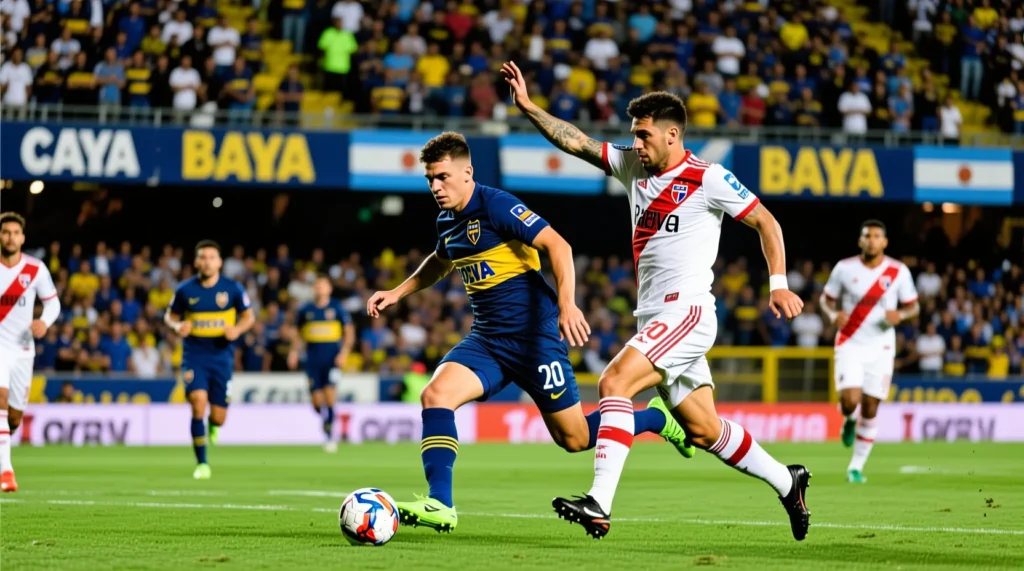
On the pitch, the Superclásico is also a clash of football ideas. Both clubs have changed coaches and tactical systems many times, but certain tendencies match the symbolic images described earlier. Observers often connect style, philosophy and club identity.
Boca Juniors: practical strengths associated with their style
- Emphasis on intensity and duels, especially in La Bombonera, where the compact pitch and steep stands can amplify pressure on opponents.
- Comfort with suffering without the ball: Boca teams are often admired for defending deep, accepting long periods of pressure and winning by exploiting limited chances.
- Strategic use of experienced players who understand local conditions and can manage the emotional temperature of a Superclásico.
- Strong relationship between the first team and the crowd: players are expected to show visible effort, sliding tackles and emotional celebrations.
River Plate: practical strengths associated with their style
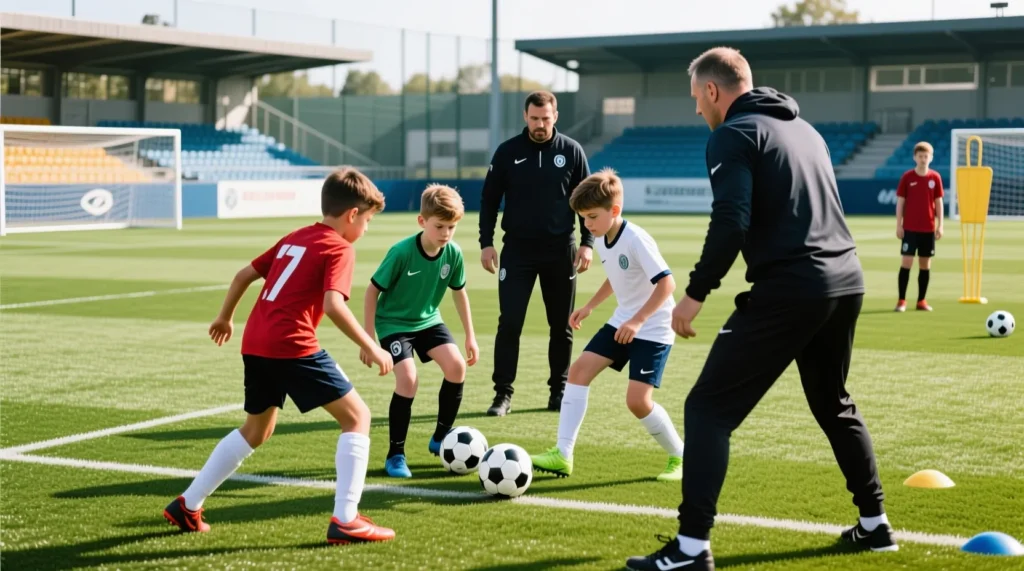
- Long tradition of structured possession football, using coordinated passing sequences and well‑defined roles from academy to first team.
- Capacity to develop and sell technically skilled players, then replace them with new academy graduates, supporting a sustainable squad model.
- More frequent use of complex tactical shapes, with full‑backs and midfielders rotating to create numerical superiority in key zones.
- Comfort in large‑space play at the Monumental, where the wider pitch invites a more expansive attacking pattern.
Limitations and risks in both approaches
- Boca's pragmatic style can become too reactive, giving the ball away and inviting unnecessary pressure in matches where they could control more.
- River's possession model can look fragile in highly emotional games if players insist on risky passes in dangerous areas instead of simplifying.
- Both fan bases are demanding: a few bad Superclásico results can push the club to change coaches or abandon a long‑term tactical project.
- For visiting players and coaches, the pressure to "understand the rivalry" in one match can lead to overcompensation, reckless fouls or conservative tactics.
Supporter culture: chants, rituals, and the Bombonera vs Monumental atmosphere
The Superclásico is famous not only for football but also for the choreography, colors and sound inside the stadium. At the same time, myths about this atmosphere can lead to unrealistic expectations or unsafe behavior by visitors.
- Myth: it is easy to buy a ticket on the street. In reality, Boca Juniors vs River Plate tickets are usually restricted, expensive and controlled by member systems or trusted agencies. Buying randomly outside the stadium is risky and can involve counterfeits.
- Myth: the Bombonera is always more "authentic" than the Monumental. Both stadiums have intense atmospheres; the experience depends on the match context, competition, and your seat. La Bombonera feels more vertical and noisy, the Monumental feels larger and more open, especially for national team games.
- Error: ignoring safety instructions and local customs. Getting too close to ultra groups, wearing rival colors in the wrong area, or staying near stadium exits long after the game can create unnecessary risk, especially for foreign visitors unfamiliar with the environment.
- Myth: all fans are violent or extreme. Most Boca and River supporters attend matches with family and friends. Problems are usually concentrated in specific groups. It is still essential to respect local advice and avoid confrontations or provocations.
- Error: romanticizing flares, overcrowding and fences. Visual elements that look impressive on television can be uncomfortable or dangerous live. Prioritize clear exits, good visibility and safe seating or standing areas instead of the most "extreme" locations.
- Myth: you cannot enjoy the rivalry if you do not pick a side. Neutrals, especially international visitors, often enjoy observing chants, rituals and small details without strong club preference, as long as they show respect and follow basic stadium etiquette.
Modern dynamics: media, security, commercialization and internationalization
Today's Superclásico lives both inside and outside Argentina. Advanced broadcasting, tourism and merchandise distribution transform a local rivalry into a product accessed from many countries, including Russia, while security and logistics shape how the live event is managed on the ground.
From a practical point of view, the rivalry now has several "layers" of participation:
- Live attendance through trusted operators. Because of demand and safety rules, many visitors use superclasico Boca River tour packages that combine transport, escort, tickets and local guidance. This reduces the risk of fraud and helps navigate member‑only sectors or changing security restrictions.
- Watching from abroad via legal platforms. Fans who cannot travel search for Boca Juniors River Plate match live streaming options offered by official broadcasters or licensed services. Legal streams usually provide better quality, fewer interruptions and more stable commentary.
- Structured stadium visits outside matchdays. Buenos Aires football superclasico stadium tours let visitors walk through dressing rooms, stands and museums at both La Bombonera and the Monumental, with less stress than a matchday and more time for photographs and explanations.
- Merchandise and identity at a distance. Official Boca vs River Plate jerseys for sale online allow international fans to express identity without traveling. For collectors, comparing design changes across seasons is another way to engage with the rivalry.
Example "workflow" for a foreign fan planning a Superclásico trip
- Decide whether you prefer Boca or River, or want a neutral experience focused on culture and football history.
- Check the tentative date of the next Superclásico and align it with your travel window to Buenos Aires.
- Contact reliable agencies that specialize in superclasico Boca River tour packages and compare what is included: ticket type, transport, guide language, and safety arrangements.
- Reserve time on non‑match days for Buenos Aires football superclasico stadium tours at both grounds to understand each club's history and museum material.
- Verify legal Boca Juniors River Plate match live streaming options at home in case schedules change and you cannot attend in person.
- After the trip, stay connected through official club channels, occasional merchandise like Boca vs River Plate jerseys for sale, and future televised Superclásicos.
Practical questions about attending and understanding the Superclásico
What does the term Superclásico actually mean?
Superclásico is the name for any official match between Boca Juniors and River Plate. It signals that this derby is considered "bigger" than regular clásicos because of its history, national impact and international attention.
How far in advance should I plan a trip to see a Superclásico?
Plan several months ahead. Match dates can move within a weekend, so keep travel flexible and confirm schedules with your ticket provider or tour operator before finalizing flights and hotels.
Is it safe for foreign visitors to attend the Superclásico?
Many foreign visitors attend without problems if they use reputable agencies, follow local safety advice and avoid risky behavior such as wearing rival colors in sensitive areas or buying tickets from informal street sellers.
Can I buy Superclásico tickets directly from the clubs?
Direct sales to non‑members are rare and usually limited. Most foreigners rely on trusted intermediaries that have access to member allocations and handle logistics, including stadium entry procedures.
Which stadium is better to visit: La Bombonera or the Monumental?
La Bombonera feels more vertical and intense, closer to the pitch, while the Monumental is larger, with a strong connection to the national team. Ideally, visit both to understand why each side believes its home ground is superior.
Is watching on TV or streaming still a meaningful way to experience the rivalry?
Yes. Quality broadcasts, close‑up replays and expert commentary help you see tactical details and crowd reactions. If you cannot travel, following live streams, pre‑match analysis and post‑match debates still offers a rich view of the Superclásico.
How can I learn the chants and culture before going to a match?
Listen to recordings from previous Superclásicos, follow fan groups on social media and read translations or explanations of major chants. Understanding the basic words and gestures helps you feel more integrated and avoid unintentional disrespect.